
The Gabor Gulyas Platform
Thoughts before publication.
Personal observations on AI, organisations, learning and becoming a researcher. These are clearly separated from working papers and formal publications.

Personal observations on AI, organisations, learning and becoming a researcher. These are clearly separated from working papers and formal publications.
A record of how questions, ideas and professional experience gradually develop into research.

Part of the series — read the complete post on LinkedIn.
Read on LinkedIn →
Part of the series — read the complete post on LinkedIn.
Read on LinkedIn →
Part of the series — read the complete post on LinkedIn.
Read on LinkedIn →
Part of the series — read the complete post on LinkedIn.
Read on LinkedIn →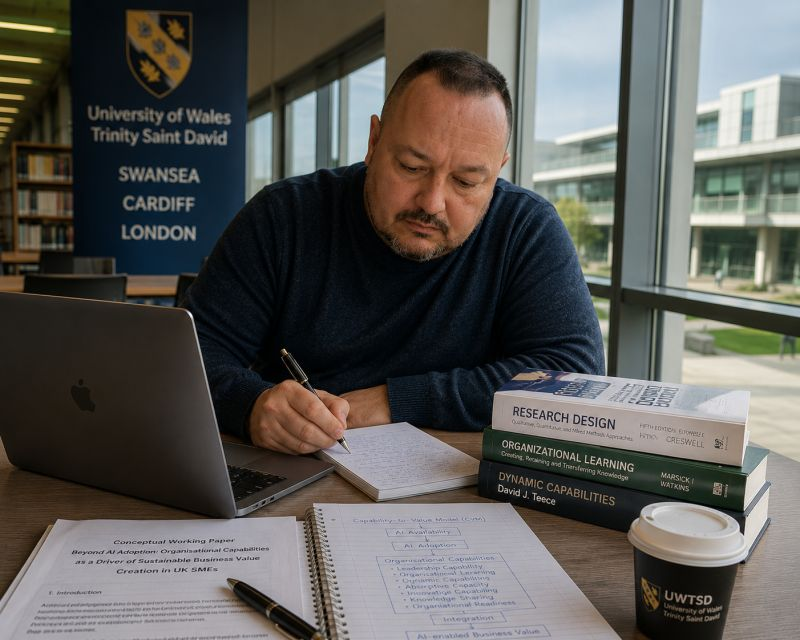
Part of the series — read the complete post on LinkedIn.
Read on LinkedIn →
Part of the series — read the complete post on LinkedIn.
Read on LinkedIn →
Two organisations can use very similar AI and still get very different outcomes. The interesting question is no longer only what AI can do, but what allows an organisation to turn it into real value.
Read on LinkedIn →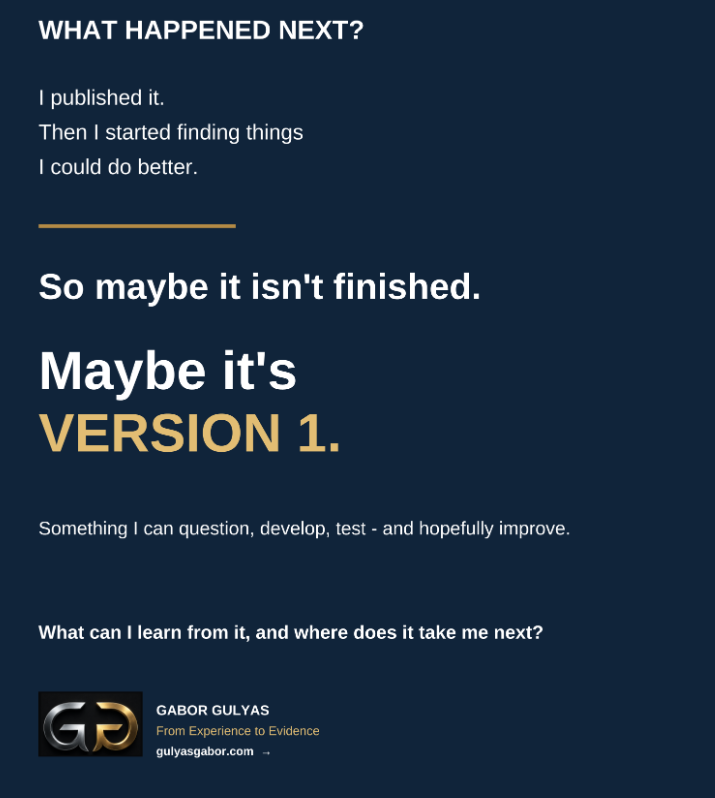
Publishing was not the end of the thinking. Version 1 brought new questions, improvements and the next step.
Open on LinkedIn →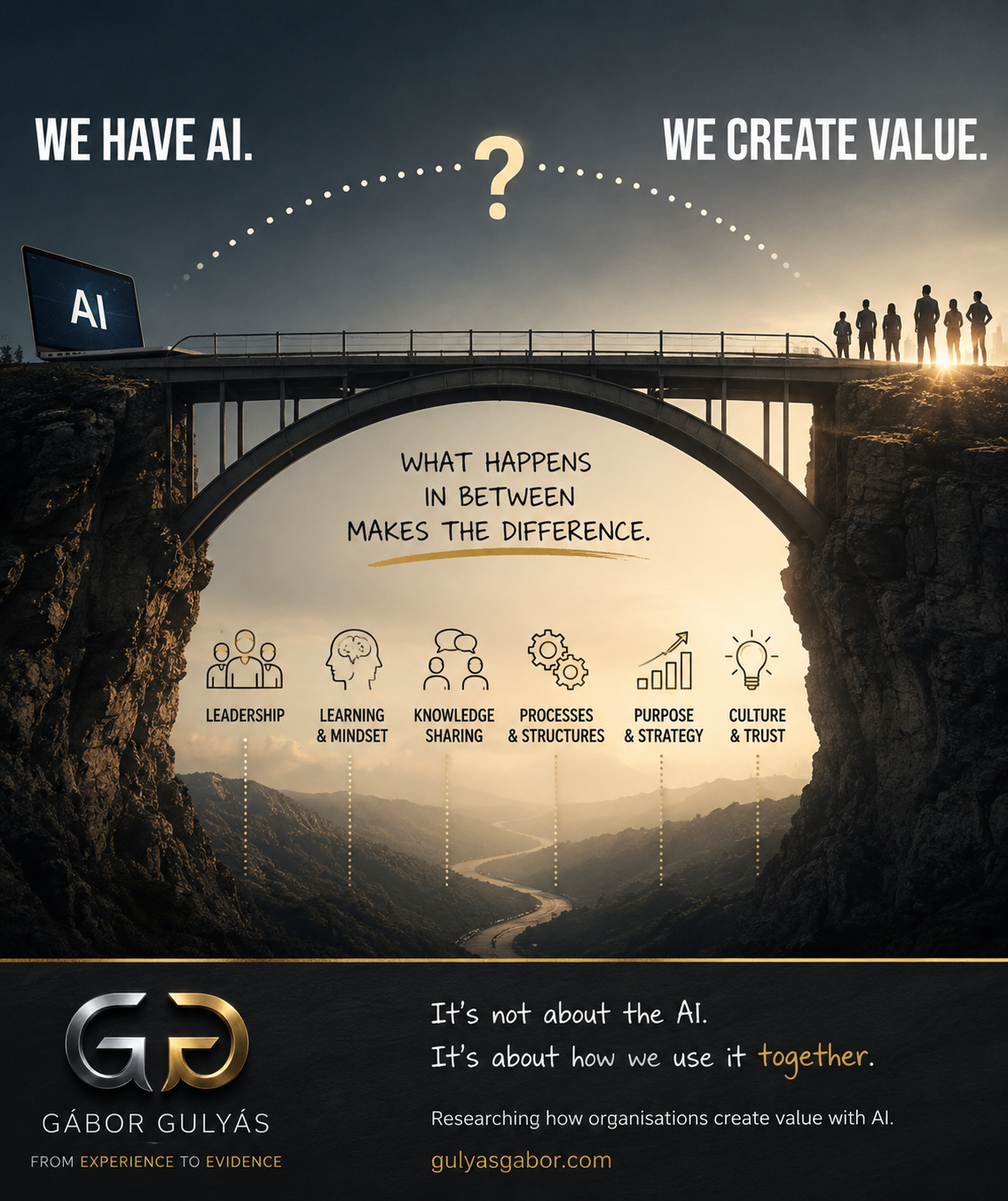
Access to AI is only the beginning. The harder question is whether an organisation can learn, adapt and turn the technology into something that genuinely changes how it works.
Open on LinkedIn →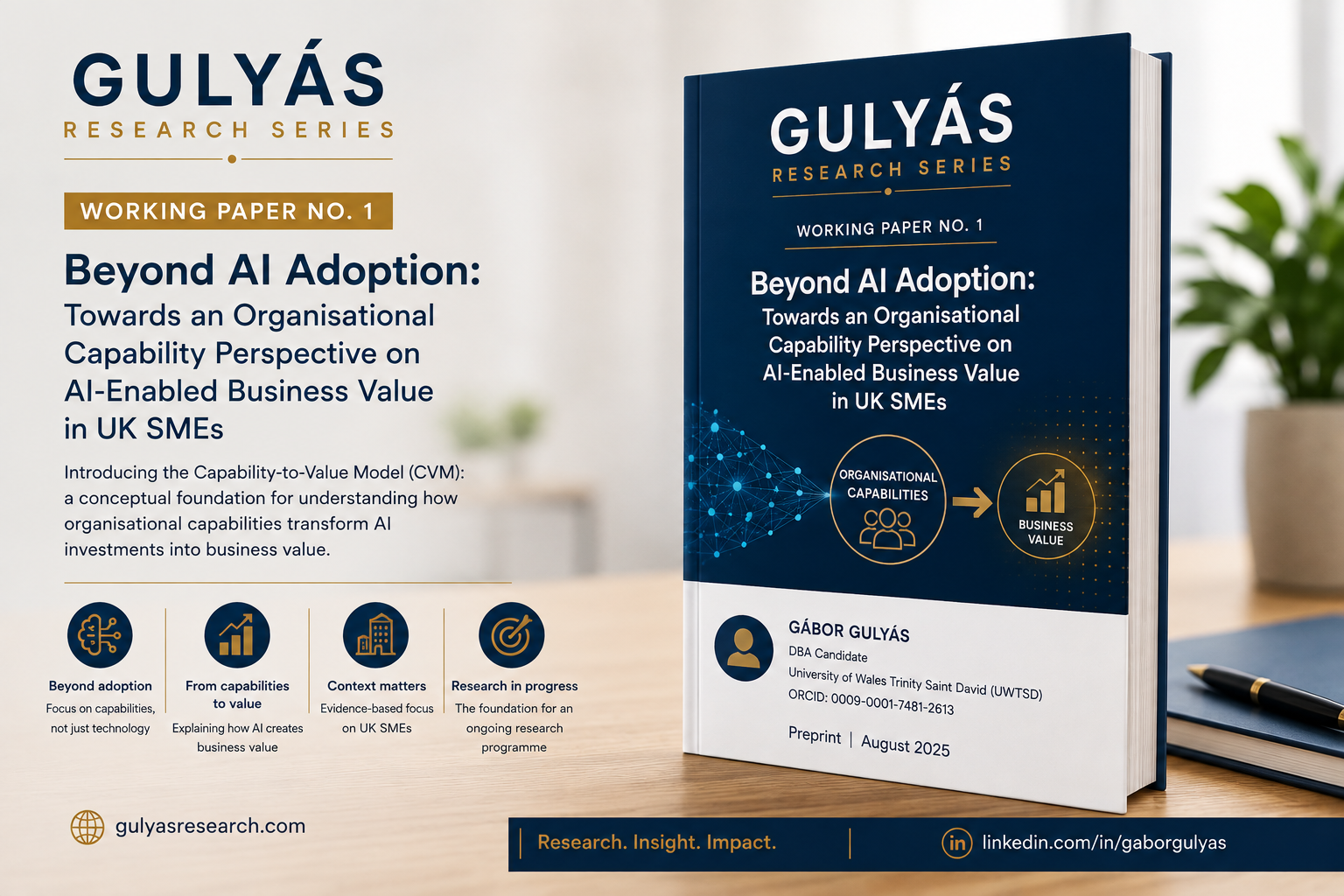
My first published research output develops the Capability-to-Value Model and examines why AI adoption alone does not explain sustainable business value in UK SMEs.
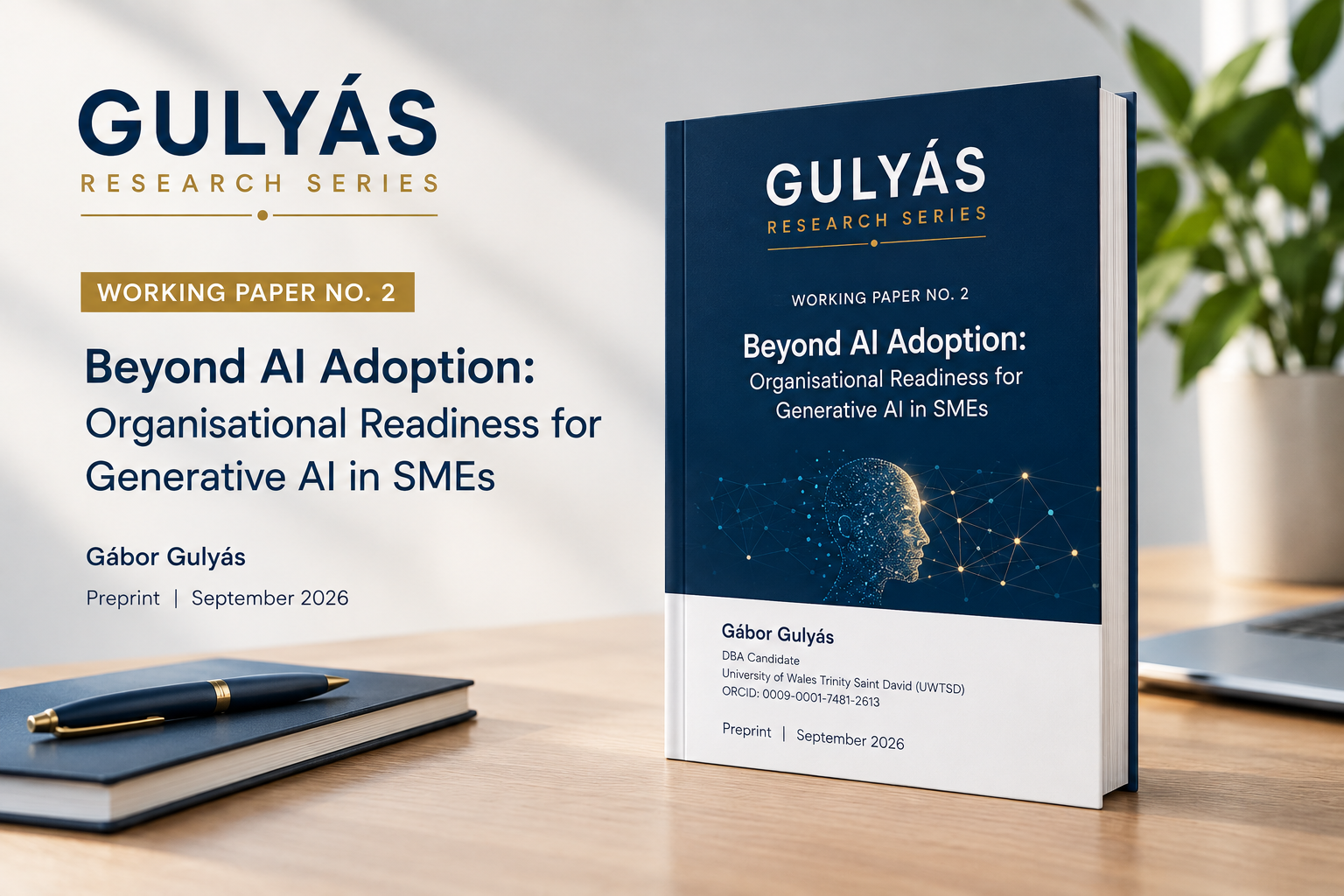
The second published working paper examines organisational readiness for Generative AI in SMEs as part of the wider Beyond AI Adoption research programme.

The doctoral research asks why one SME can create meaningful business value from AI while another, even with access to similar tools, cannot. The focus moves beyond adoption itself to the organisational capabilities that sit between AI use and business value.
Working Paper No. 1 provides the conceptual starting point; the doctoral research is intended to test, refine and develop that thinking empirically.